


Humanise.AI is a new approach to technology that aims to give machines human-like qualities. Instead of just processing data or following simple rules, this kind of artificial intelligence, or AI, tries to understand feelings, emotions, and social signals. It’s about making machines more aware of how humans think and feel, so interactions feel natural and meaningful.
Traditional systems are often logical and cold. They answer questions or complete tasks but don’t really “get” how people feel. It changes that by adding empathy and emotional intelligence to computers. This means machines powered by AI can recognize when a person is sad, happy, or frustrated, and respond in a way that fits the situation.
For example, a chatbot with Humanise.AI won’t just give scripted answers. It might notice a customer’s frustration and shift its tone to be more supportive. This makes conversations smoother and helps build trust between people and machines using AI capabilities.
This technology is still evolving but has the potential to reshape many areas of life. It goes beyond simple automation by creating a bridge between human emotions and digital responses through advanced AI.
Humanise.AI relies on several key AI technologies working together.
Natural Language Processing (NLP) is one of the main tools. This allows computers to understand and interpret human language. But Humanise.AI uses a more advanced form of NLP that doesn’t just look at words. It also considers the emotional tone behind them. It can tell if someone is joking, upset, or excited based on the way they speak or write.
Another important technology is Affective Computing. This field focuses on detecting human emotions through facial expressions, voice changes, and even physiological signals like heart rate. Using cameras, microphones, and sensors, machines can pick up subtle clues about a person’s emotional state.
Machine Learning and Deep Learning are also vital. These allow Humanise.AI systems to learn from large amounts of data, including how people express emotions in different contexts. Over time, the system gets better at predicting appropriate responses.
Finally, Multimodal Interaction means combining information from different sources—speech, facial expressions, gestures—to get a full picture of what someone is feeling. This helps machines respond in a way that feels natural and complete.

Humanise.AI has the power to change many fields by adding emotional intelligence to machines.
One of the most promising areas is healthcare. Humanise.AI can improve mental health care by detecting signs of distress or anxiety in patients through their voice or facial expressions. Virtual assistants can offer comforting words or alert a caregiver when someone needs help.
For elderly care, machines with this technology can recognize loneliness or confusion and notify family members or nurses. This can reduce feelings of isolation and improve the quality of life.
Many people get frustrated with automated customer service systems that sound robotic. Humanise.AI changes that by allowing chatbots to sense how customers feel during a conversation. If someone is upset or confused, the system adjusts its tone and approach to calm them down and solve problems more efficiently.
This emotional awareness helps companies build better relationships with customers, increasing satisfaction and loyalty.
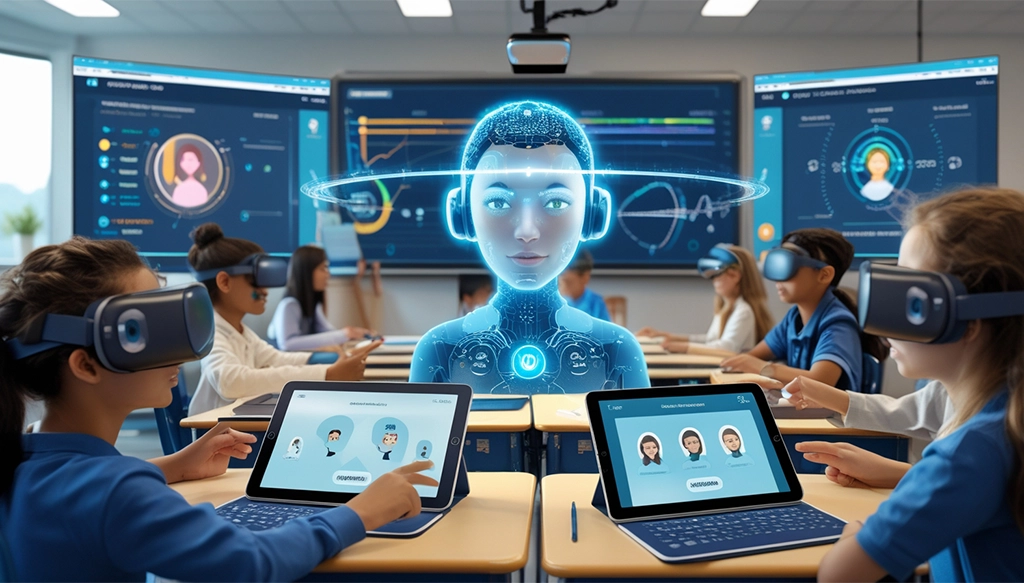
In the classroom or online learning, Humanise.AI tutors can detect when students feel bored or overwhelmed. By adapting lessons in real-time to match students’ emotional states, the system can make learning more engaging and personalized. This helps students stay motivated and achieve better results.
During interviews or performance reviews, Humanise.AI can analyze emotional responses to understand candidates or employees better. This helps HR professionals make fairer decisions and address workplace issues before they become serious problems.
Content creators are using Humanise.AI to develop interactive stories and characters that respond emotionally to their audience. This creates richer and more immersive experiences in games, movies, and virtual reality.
With all its benefits, Humanise.AI also raises important ethical questions.
Collecting emotional data means handling very personal information. People must agree to this data being collected and used. Companies must protect this data carefully to avoid misuse or breaches.
There is a risk that emotional data could be exploited to influence people’s decisions unfairly—whether to sell products or shape opinions. Transparency and strong ethical rules are needed to prevent this.
Emotions differ widely between cultures and individuals. Humanise.AI systems need diverse training data to avoid misunderstandings or biased responses. Otherwise, the technology might misinterpret or unfairly judge users.
Relying too much on machines for emotional support might reduce real human connections. Also, some question whether such systems can truly feel empathy or just simulate it. This debate touches on what it means to be genuinely empathetic.

Challenges in Developing Humanise.AI
Creating systems that understand and respond to human emotions is not easy.
Emotion Detection Accuracy: Human feelings are complex and can change quickly. Getting the right read is difficult.
Real-Time Processing: Combining data from speech, facial expressions, and gestures requires fast computing to respond without delay.
Contextual Understanding: The meaning of emotions depends on culture, situation, and language. AI must consider these factors to avoid mistakes.
Scalability: Building systems that work across many platforms, languages, and cultures is a huge technical challenge.
User Trust: People need to understand what Humanise.AI can and cannot do. Clear communication helps build trust and encourages acceptance.
The future looks promising. Humanise.AI is expected to bring technology closer to human experiences by blending intelligence with empathy. Some key prospects include:
More Natural Interactions: Machines will better understand tone, mood, and unspoken feelings. This will make conversations feel smoother and more satisfying.
Greater Accessibility: Humanise.AI could help people with disabilities or communication challenges by interpreting emotions and adapting interactions.
Bridging Cultures: By understanding emotional cues across cultures, Humanise.AI can support global communication and collaboration.
Ethical Use: Developing frameworks that emphasize respect for human dignity will guide responsible AI design.
Humanise.AI is more than just technology; it represents a shift in how we think about machines. Instead of tools that simply do tasks, they become partners that understand and support us emotionally.
This shift has the potential to improve healthcare, education, customer service, and more. But it requires careful thought about privacy, fairness, and the limits of machine empathy.
By focusing on ethical development and transparency, Humanise.AI can create a future where technology serves people with real understanding and kindness.

Artificial intelligence is everywhere now. From smart toys and learning apps to voice assistants and games, it touches many parts of children’s lives. While this technology can offer fun and useful experiences, many parents and experts wonder: is it dangerous for small kids? This question matters because children are still growing and learning. What they see and do online or with smart devices can shape how they think and feel.
In this essay, I will explain how this technology is used around small kids, what risks it might bring, and what parents can do to keep kids safe. The goal is to help you understand its impact and find a balance between benefits and dangers.
This tech is not just in computers or robots. For small kids, it appears in many simple and everyday ways, like:
-
Smart toys: Some toys can talk, answer questions, or play games using advanced programming. They can learn a child’s preferences and try to make playtime more fun.
-
Learning apps: Apps adjust lessons to a child’s skill level, helping them learn letters, numbers, or languages at their own pace.
-
Voice assistants: Devices like Alexa or Google Home can answer kids’ questions, tell stories, or play music when kids talk to them.
-
Games: Technology controls characters and challenges in video games, making them more interesting and interactive.
These uses can be helpful and entertaining. But they also raise concerns, especially for younger kids.
Many smart devices collect data to work better. For example, a smart toy might record a child’s voice to understand commands. Learning apps might track progress to tailor lessons. But collecting data on kids can be risky.
Children’s information is sensitive. If data leaks or is misused, it can lead to privacy breaches. Also, companies may use kids’ data for ads or other purposes without clear permission. This puts kids at risk without them or parents fully understanding.
These devices often pull information from the internet to answer questions or suggest content. Sometimes, they may accidentally expose kids to inappropriate or harmful material. For example, a voice assistant might answer a question in a way that is not age-appropriate or play a song with adult themes.
Since young kids cannot always judge what is safe, this can confuse or scare them.
If kids rely too much on smart devices to answer questions or solve problems, it might affect their natural creativity and critical thinking. For example, if a child always asks a device for answers instead of trying to figure things out, they might miss important learning experiences.
These tools can be helpful guides, but kids need space to imagine, explore, and learn on their own.
Kids learn social skills by interacting with other people—family, friends, teachers. When kids spend a lot of time with smart devices or toys, they might miss chances to practice empathy, sharing, and communication.
Also, these devices cannot truly understand feelings. So, when children seek comfort or support from a device, it won’t respond like a human. This could affect emotional growth.
Systems learn from data that might be biased or incomplete. This can cause them to give wrong or unfair answers. For example, a voice assistant might respond with stereotypes or misinformation. Small kids might accept these answers as facts because they trust the device.
This risk means kids might learn harmful ideas unintentionally.
Many child development experts warn that these tools should be used carefully with small children. They stress the importance of:
-
Age-appropriate design: Tools should be made with kids’ safety and needs in mind. This means filtering content, limiting data collection, and avoiding addictive features.
-
Parental controls: Parents should have easy ways to monitor and control what smart devices do. This helps prevent exposure to harmful content.
-
Balanced screen time: Experts recommend limiting screen time and making sure kids spend enough time offline, playing, and interacting with people.
-
Teaching critical thinking: Parents and educators should help kids understand how these devices work and teach them to question what they hear.
If you’re worried about dangers, here are practical steps parents can take:
Look for products made specifically for children. Check reviews and privacy policies. Avoid toys or apps that ask for too much personal information or don’t offer parental controls.
Decide how much time your child spends with these devices each day. Balance screen time with other activities like reading, outdoor play, and family time.
Most devices and apps have settings to filter content, restrict features, or monitor usage. Learn how to set these up and update them regularly.
Explain to your kids, in simple words, how these devices work. Encourage them to ask questions and be curious but also cautious.
Watch how your child interacts with these devices. Notice if they seem confused, scared, or overly dependent. Be ready to step in and help.
Don’t share unnecessary personal details when setting up devices. Regularly review privacy settings and data policies.
This technology is not all danger. When used right, it can support learning and creativity.
-
Apps can adapt to a child’s pace, helping those who struggle or those who need more challenge.
-
Smart toys can encourage language skills and problem-solving.
-
Voice assistants can answer questions and tell stories, making learning fun.
-
It can help children with special needs by providing personalized support.
The key is to use these tools as aids, not replacements for real human interaction and play.
These tools will keep growing and changing. Small kids today will live in a world full of smart machines. It is important to prepare them well.
We need technology creators to build safe, fair, and age-appropriate products. Parents and educators must stay informed and guide kids wisely.
Technology should enhance childhood, not harm it. If we manage it well, it can open new doors for learning and creativity while keeping kids safe and happy.
Is this technology dangerous for small kids? It can be, but it doesn’t have to be. There are risks like privacy issues, exposure to bad content, and over-dependence. But with careful use, clear rules, and good guidance, it can also be a helpful tool.
Parents play a key role in deciding how these tools fit into their children’s lives. By choosing smart products, setting limits, and talking openly, they can protect kids and help them benefit from the good side.
Childhood is a time to learn, play, and grow with real people. Technology should support this journey, not replace it. That balance is what matters most.













Leave a Reply