


The New Wave of Artificial Intelligence in ۲۰۲۵
Artificial intelligence has been evolving rapidly, and by ۲۰۲۵, we’re witnessing an entirely new wave of technological advancements transforming how we live and work. These cutting-edge tools and systems are remarkably advanced—so innovative that many are still under the radar, silently redefining industries and workflows. But what exactly makes this new generation different from familiar platforms like ChatGPT, Gemini, or Claude? The secret lies in precision, autonomy, and a clear sense of purpose.
Today’s emerging tools are no longer built to serve everyone in a generic way. Instead, they’re highly specialized—each developed to solve a specific problem with pinpoint accuracy. For instance, there are platforms built solely to review and analyze legal documents, identifying potential risks and suggesting alternative wording faster than a team of attorneys. Others can generate complex ۳D models in a matter of seconds, streamlining design processes that once took days. Some even learn your personal work habits, offering tailored assistance that feels almost human.
This targeted functionality marks a big shift from the one-size-fits-all mindset of the past. These systems don’t try to be everything; they aim to be the best at one thing—and they usually succeed.
One of the most exciting developments is the emergence of tools that go beyond responding to commands. These are digital agents capable of taking real actions: scheduling meetings, sending emails, managing inventories, or filing expenses without constant human direction. In short, they’re not just tools—they’re partners in productivity.
This kind of autonomy is opening up new possibilities in both personal and professional settings. Whether you’re an entrepreneur managing multiple tasks or a team leader juggling operations, these agents can act independently and lighten the load.
Another breakthrough is how these systems are beginning to understand human emotion. Developers are building tools that can read tone of voice, analyze facial expressions, or even detect patterns in typing rhythms to understand mood and intent. This makes digital communication feel more natural, especially in areas like customer service, online education, or mental health support.
This move toward emotionally aware technology is reshaping interactions. Imagine getting customer support that can tell when you’re frustrated—or learning software that adjusts its difficulty based on your stress level.
With all these innovations, it’s fair to ask: why aren’t these solutions mainstream? A big reason is that many are still in stealth mode. Creators often keep new products quiet during development to avoid copycats or to refine features before launching publicly. Like startups tinkering in their garages, these projects are still cooking—but almost ready to serve.
Additionally, many of the most innovative tools are coming from independent developers or open-source communities that don’t have big advertising budgets. These creators focus on solving real problems, not chasing media attention. As a result, their work often goes unnoticed by the general public but is highly valued by those in the know.
Another factor is quiet integration. You might be using an app that already includes one of these advanced systems without realizing it. Ever thought, “This app just knew exactly what I needed”? That’s often a result of a well-designed digital assistant working behind the scenes.
The reality is, while most people are just beginning to explore popular platforms like ChatGPT or Midjourney, tech innovators are already pushing ahead. The newest developments include virtual reality environments powered by machine learning, contract analyzers that understand legalese better than some attorneys, and data farms generating synthetic data to improve model accuracy.
The future isn’t waiting—it’s being built right now.
While big tech companies grab headlines, smaller startups are quietly making waves by solving very specific problems with remarkable accuracy. Here are a few examples you may not have heard of yet:
-
ContractIQ: Designed for legal professionals and freelancers, this platform scans contracts, identifies potential risks, and even suggests alternative wording. It’s a lifesaver for anyone without a legal team.
-
BuildBuddy: Created for architects and interior designers, it rapidly generates creative yet functional layout designs. What used to take hours in CAD software now takes minutes.
-
SynthText: This system focuses on reading handwritten documents and historical texts, converting them into searchable digital formats. It’s a game-changer for historians, archivists, and researchers.
What unites these tools is their focused approach. They’re not trying to become the next Google—they’re just really good at what they do.
Another major trend is the development of in-house solutions. Companies are creating systems for internal use that are trained only on their own data. For instance, some businesses have support bots that answer HR questions, onboard new hires, or even solve IT issues—without the need for a human ticketing system.
These internal systems might never be released to the public, but their impact is substantial. By automating routine tasks, they free up human workers for more strategic and creative work.
Here’s a quick look at a few emerging platforms worth keeping an eye on:
-
Eden: Acts as a marketplace for specialized tech APIs. Developers can combine features like transcription, natural language processing, image generation, and fairness checks from various providers.
-
Mindgrasp: Designed as a study partner, this platform processes documents and audio files, then creates summaries, notes, and quizzes. It’s perfect for students, educators, and busy professionals.
-
AutoLab: Helps businesses automate entire workflows—like inventory tracking or customer emails—without requiring any code. It’s all drag-and-drop, making automation accessible to everyone.
These platforms are simple, efficient, and often built by passionate teams who understand the problem they’re solving better than anyone else.
The technological wave of ۲۰۲۵ is not about flashy headlines or viral apps. It’s about practical, powerful systems designed to make our lives easier and our work more efficient. While most of the world is still adjusting to the last generation of tools, the next chapter is already underway—quietly, efficiently, and with remarkable focus.
These solutions may not all be household names (yet), but they’re building the future—one task, one problem, one workflow at a time.

What Will Happen with New AIs?
Artificial intelligence continues to surge forward at breakneck speed. With each passing month, new tools, models, and applications emerge—many flying under the radar. But what does the future hold? Here’s a deep dive into the transformative changes, challenges, and ripple effects we can expect as these new systems shape our world.
Gone are the days when technology had to be a generalist. Now, emerging models are purpose‑built for specific industries and workflows:
Legal assistants trained exclusively on contract law documents will help small firms reduce errors, analyze clauses, and even draft contract amendments automatically.
Medical diagnostic platforms built using localized data from specific regions will help doctors pinpoint rare illnesses earlier and reduce misdiagnosis rates.
Architectural design tools capable of generating ۳D floorplans optimized for energy use, sunlight, and local regulations will streamline planning and budgeting.
These narrowly focused solutions won’t just exist as side projects—they’ll become central in professional toolsets, raising the standard of work and drastically cutting time overhead.
We’re entering the era of digital agents—software that doesn’t just suggest, but acts:
Personal assistant bots will handle mundane tasks: booking flights, scheduling meetings, balancing calendars, and even negotiating services like insurance or home repairs.
Small business bots will manage customer inquiries, upsell services, manage inventory, and prepare sales reports without constant human oversight.
These agents will blend into everyday life, handling repetitive tasks while freeing up people to focus on complex, creative, and relationship‑driven work.
New systems won’t live in silos—they’ll be woven into everything:
Expect to see summarizers embedded in email services, documentation platforms, and coding environments.
Collaboration tools like Slack, Notion, and Miro will integrate specialized models for brainstorming, feedback, translation, and analytics.
Even everyday software—photo editors, CMS platforms, accounting tools—will include smart assistants that recognize context and provide tailored insights.
This synergy will transform software from passive systems into intelligent teammates.
Smart tools are getting personal:
Digital twins—personalized models of behavior—will help individuals improve mental health, boost productivity, and learn new skills.
Emotion‑aware interfaces will detect mood and tailor responses: calming in stressful moments, optimizing lighting for concentration, and selecting music based on your emotional state.
Predictive lifestyle systems will suggest schedules, foods, or workout patterns based on your habits and goals—all while respecting privacy.
These personalized technologies will shift from novelty to necessity, shaping daily routines and self-care.
Next‑gen creativity is here:
Music generators tailored to mood, setting, or user preference will accompany mindfulness apps or indie game soundtracks.
۳D model builders powered by text prompts will enable designers and game developers to iterate faster and explore new ideas with ease.
Interactive storytelling platforms will craft narrative experiences—games, books, or apps—that adapt to user choices.
These creative engines won’t replace artists—they’ll augment them, opening new frontiers of collaboration and imagination.
A backlash is brewing against centralized control. Things we’ll likely see:
Community‑driven models—fully transparent, privacy‑focused, and collaboratively trained—will compete with proprietary giants.
Federated learning setups will let individuals keep data private while still contributing to shared model improvements.
Decentralized marketplaces for niche tools will let developers offer specialized services for narrow use-cases without needing massive infrastructure.
This democratization of technology will spark grassroots innovation and enhance software sovereignty.
The impact on health will deepen:
Predictive analytics for chronic diseases, using personal health records, wearables, and genomic data, will enable earlier intervention.
Remote patient monitoring tools that detect signs of depression or decline in elderly patients and alert caregivers or professionals.
Drug discovery engines suggesting new molecules or optimizing therapy paths for underserved diseases.
These innovations could transform public health systems and reduce resource constraints globally.
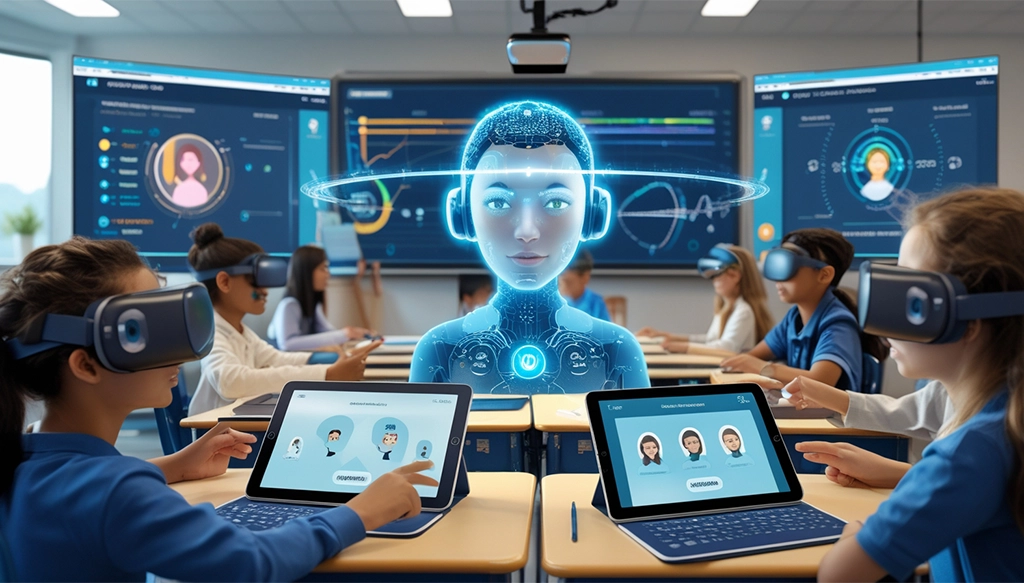
The classroom of the future will evolve dramatically:
Study companions that adapt to learning style, quiz you on progress, highlight weak areas, and teach accordingly.
Language-learning platforms that adapt accents, pace, and real-time pronunciation feedback for non-native speakers.
Curriculum design tools for educators to create lesson plans, generate practice exercises, and detect student gaps.
Education will become more equitable, personalized, and scalable—especially in under-resourced areas.
As intelligent systems become more narrow and influential, ethical guardrails will tighten:
Bias auditors—systems auditing each other to detect unwanted patterns or unfair decisions in hiring, policing, or lending.
Transparent models that log decisions, contexts, and fairness scores for public review.
Right‑to‑explain features allowing consumers to query a system’s rationale for any recommendation or decision.
The rise of these mechanisms will hold systems accountable and build user trust at scale.
Governments will act:
New frameworks around personal data usage, model transparency, and domain‑specific safety (health, law, finance).
Approval regimes for systems in healthcare and critical infrastructure—similar to FDA or EMA roles.
Open standards for model interoperability, data privacy, and ethical compliance—creating cross-border cooperation and clarity for developers.
Far from being blocked, the sector will be regulated in ways that propel its adoption responsibly.
While people fear mass machine-induced unemployment, the reality will be nuanced:
Augmentation over replacement: Knowledge workers will use digital assistants for research, drafting, analysis—speeding workflows rather than wiping jobs.
New specializations: Roles like “model trainer,” “story architect,” “prompt strategist,” and “ethics auditor” will become mainstream.
Routine automation, especially in clerical and administrative work, will shift human effort to high-value interpersonal tasks.
Overall, the job market will evolve—demanding upskilling, while creating opportunity.
Advanced systems will both strengthen and challenge security:
Proactive threat detection tools will anticipate breaches and vulnerabilities with models analyzing system logs in real-time.
Synthetic phishing or deepfake attacks will require new detection tools capable of spotting fake content.
Defensive-offensive duels, where attackers use smart tools to probe networks while defenders deploy countermeasures that adapt and respond.
This cybersecurity tug-of-war will define much of corporate risk strategy in the years ahead.
Major hubs won’t be limited to Silicon Valley:
Emerging tech centers in India, Nigeria, Brazil, and Southeast Asia will develop local solutions for unique challenges (e.g., agriculture, finance, public services).
Global collaboration networks between open‑source developers and local innovators will foster culturally aware products.
Localized datasets and models—for example, NLP for African languages—will democratize access for non-English speakers.
We’re heading into a future of polycentric innovation.
The business landscape will diversify:
Freemium niche tools that offer powerful microservices—e.g., voice‑to‑text engines with industry‑specific tuning, available for a subscription or token-based pricing.
Model marketplaces where creators license specialized solutions to enterprises without large R&D budgets.
Data‑for‑access collaborations, where users monetize their anonymized data to gain advanced features or credits.
The winner won’t be “largest platform”—it’ll be “right tool, at the right niche.”
Finally, what will the societal impact look like?
New digital etiquette for human-computer interaction: Are you comfortable chatting with a virtual friend or tutor? Acceptance will grow.
Creative co-authorship: People will increasingly credit their digital partners in books, music, film, and design.
Trust in synthetic media: With deepfakes and generative content growing, society will learn to ask “Is that real?”—and new verification habits will form.
These shifts will redefine culture, authorship, and trust.









Leave a Reply