

Sources: National Weather Service, NOAA, FEMA, Texas Division of Emergency Management
Sources: National Weather Service, NOAA, FEMA, Texas Division of Emergency Management
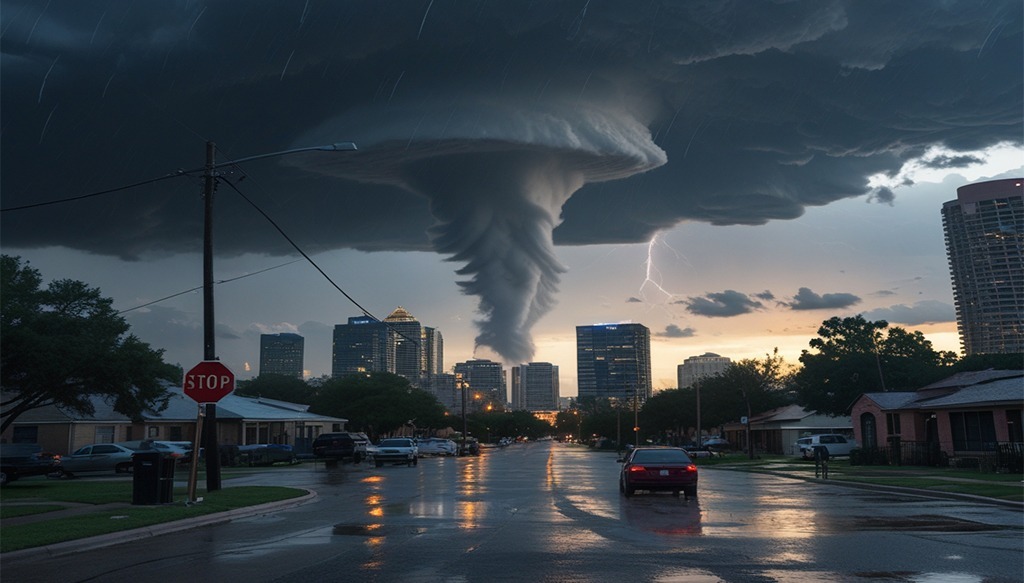
San Antonio, a thriving city in south-central Texas, is vulnerable to destructive windstorms, even though it’s not at the heart of Tornado Alley. A twister warning in San Antonio signals that a funnel cloud has been sighted or detected by radar and is approaching. These alerts call for immediate protective action. This detailed guide will help you understand severe weather alert protocols, safety measures, and how to prepare and respond effectively in San Antonio.
Cyclonic wind events develop from severe thunderstorms when warm, moist air from the Gulf collides with cooler, dry air from the north. Wind shear and instability create rotating updrafts that can produce whirlwinds. In San Antonio, these funnel-spawning storms occur most frequently from March through June, though severe weather can strike at any time. Twister activity here ranges from EF۰ to EF۳, with EF۴s and EF۵s being rare. Early evenings often present the highest risk due to peak atmospheric instability.
Tornado Watch vs. Tornado Warning
Tornado Watch: Conditions are ripe for tornadic development. Be alert and ready to act.
Twister Warning: A cyclone has been spotted or indicated by radar. Take shelter immediately.
When a destructive windstorm warning is issued in San Antonio, your safety depends on swift action. Don’t wait—get to your shelter right away.
Warning Systems in San Antonio
The National Weather Service (NWS) New Braunfels office and the Storm Prediction Center issue severe storm alerts. These are delivered through:
NOAA Weather Radios
Wireless Emergency Alerts (WEAs)
TV and radio interruptions
Mobile weather apps (e.g., AccuWeather, NWS)
Outdoor storm sirens
Ensure you have multiple alert systems active to increase your chance of receiving timely cyclone warnings in San Antonio.
How to Prepare Before a Tornado Warning
Identify a Safe Space: Go to a basement, storm cellar, or a windowless interior room on the lowest floor.
Assemble an Emergency Kit: Include water, non-perishable food, flashlight, batteries, first-aid supplies, medications, copies of IDs, and pet care items.
Know Local Emergency Plans: Understand school and workplace protocols.
Practice Monthly Drills: Teach children how to respond quickly and calmly to wind hazard alerts.
Secure Your Property: Trim weak branches, anchor outdoor furniture, and reinforce garage doors.
Actions to Take During a Tornado Warning
When a funnel cloud warning is announced in San Antonio:
Get to your safe zone without hesitation.
Use mattresses, heavy blankets, or helmets to protect your head.
Stay low and avoid windows.
Remain in shelter until authorities issue the all-clear.
If outdoors, lie flat in a ditch or low-lying area, covering your head. Avoid overpasses—they can act as dangerous wind tunnels.
Recognizing Tornado Signs
A loud roar like a freight train
Dark or greenish sky
Wall cloud or funnel cloud
Frequent lightning with little rain
Falling debris
If you notice any of these signs, take shelter immediately—even before a windstorm warning is officially issued in San Antonio.
After the Tornado: Recovery Steps
Wait for official confirmation before leaving your shelter.
Avoid downed power lines and floodwater.
Administer first aid as needed.
Photograph damage for insurance claims.
Do not re-enter damaged buildings without clearance.
Community Preparedness in San Antonio
San Antonio’s schools, businesses, and emergency departments are boosting cyclone preparedness. The city holds awareness campaigns, organizes drills, and provides shelters. Volunteer groups and faith-based organizations support recovery after major storms.
Historical Example: May ۱۹, ۲۰۱۳
An EF۱ twister struck near Lackland AFB, damaging homes and trees. Although modest compared to larger tornadic systems, it shocked the community. Swift sheltering and organized recovery highlighted the importance of preparedness—even in places that rarely experience intense cyclonic activity.
Climate Change and Urban Risks
As temperatures rise and urbanization spreads, weather patterns grow more erratic. Urban heat islands can intensify storm cells. San Antonio should:
Modernize public alert systems and sirens
Expand and improve shelter infrastructure
Promote multilingual public safety education
Your Role in Windstorm Safety Culture
Develop an emergency plan with family
Share storm safety tips online
Assist vulnerable neighbors during extreme weather alerts
Volunteer with local emergency preparedness groups
Trusted Resources
NWS San Antonio
FEMA Tornado Safety Guide
San Antonio Emergency Management
Understanding cyclonic warnings in San Antonio is vital. Though rare, these intense atmospheric disturbances demand quick thinking and sound preparation. From spotting danger signs to managing post-disaster recovery, your readiness can make a difference. Be the reason your community is safer during the next wind hazard emergency in San Antonio.
Tags: tornado warning, san antonio tornado, twister preparedness, severe weather safety, emergency kit, storm shelter, funnel cloud, NWS alert, tornado drill, disaster planning, community resilience, storm safety tips, Texas weather
Understanding Tornado Warnings in San Antonio
San Antonio, a thriving city in south-central Texas, is vulnerable to destructive windstorms, even though it’s not at the heart of Tornado Alley. A tornado warning in San Antonio signals that a twister has been sighted or detected by radar and is approaching. These alerts call for immediate protective action. This detailed guide will help you understand tornado alert protocols, safety measures, and how to prepare and respond effectively in San Antonio.
Tornado Basics: What Causes Them
Cyclonic wind events develop from severe thunderstorms when warm, moist air from the Gulf collides with cooler, dry air from the north. The wind shear and instability create rotating updrafts that can spawn funnel clouds. In San Antonio, these whirlwinds tend to occur most frequently in the spring—March through June—but severe weather can strike any time of year. Tornadic activity here ranges from EF۰ to EF۳, though EF۴s and EF۵s are rare. Early evenings often present the highest risk due to maximum atmospheric instability.
Tornado Watch vs. Tornado Warning
Tornado Watch: Conditions are ripe for tornadic development. Be alert and prepare to act.
Tornado Warning: A twister has been spotted or indicated by radar. Take cover immediately.
When a tornado warning is issued in San Antonio, your safety depends on swift action. Don’t wait—move to your shelter immediately.
Warning Systems in San Antonio
The National Weather Service (NWS) New Braunfels office and the Storm Prediction Center issue cyclone alerts. These are communicated through:
Wireless Emergency Alerts (WEAs)
TV and radio interruptions
Mobile weather apps (e.g., AccuWeather, NWS)
Outdoor storm sirens
Ensure you have multiple alert systems active to maximize your chance of receiving timely tornado warnings in San Antonio.
How to Prepare Before a Tornado Warning
Identify a Safe Space: Go to a basement, storm cellar, or windowless interior room on the lowest floor.
Assemble an Emergency Kit: Include water, non-perishable food, flashlight, batteries, first-aid supplies, medications, copies of IDs, and pet care items.
Know Your Local Emergency Plans: Workplaces and schools often have protocols—understand them.
Practice Monthly Safety Drills: Teach children how to respond quickly and safely.
Secure Your Home: Trim weak branches, secure outdoor objects, and reinforce garage doors.
Actions to Take During a Tornado Warning
When a tornado alert is issued in San Antonio:
Get to your shelter immediately—no hesitation.
Use a mattress, heavy blankets, or helmets to protect your head.
Stay low and away from windows.
Do not leave your shelter until the all-clear is given.
If caught outside, find a ditch or low-lying area, lie flat, and shield your head. Avoid overpasses—they create wind tunnels.
Recognizing Tornado Signs
Loud roar like a freight train
Dark or greenish sky
Wall cloud or funnel cloud
Frequent lightning with little rain
Falling debris
If you spot any of these, take shelter—even before a twister alert is officially announced in San Antonio.
After the Tornado: Recovery Steps
Wait until authorities confirm it is safe to leave shelter.
Stay away from downed power lines and floodwater.
Check for injuries and administer first aid if needed.
Document any property damage for insurance claims.
Don’t re-enter damaged buildings without safety clearance.
Community Preparedness in San Antonio
San Antonio’s schools, businesses, and emergency departments are improving tornado readiness. The city runs awareness campaigns, school drills, and provides community shelters. Volunteer groups and faith-based organizations help with outreach and recovery after storms.
Historical Example: May ۱۹, ۲۰۱۳
An EF۱ funnel cloud struck near Lackland AFB, damaging homes and trees. Although minor compared to larger cyclones, it shocked the city. Shelters opened swiftly, and recovery was well-organized. This event emphasized the real risk and need for preparation—even in areas like San Antonio that don’t frequently experience severe windstorm warnings.
Climate Change and Urban Risks
With warming temperatures and urban expansion, storm behavior may become less predictable. Urban heat islands can intensify storm cells. San Antonio must:
Upgrade public alert systems and sirens
Improve community shelter infrastructure
Launch multilingual public education campaigns
Your Role in Tornado Safety Culture
Create an emergency plan with your family
Share windstorm safety info on social media
Help vulnerable neighbors during alerts
Volunteer with local disaster response organizations
Trusted Resources
NWS San Antonio
FEMA Tornado Safety Guide
San Antonio Emergency Management
Understanding tornado warnings in San Antonio is crucial. These rare but serious events require rapid action. From recognizing the signs to post-storm safety, your awareness and preparation could save lives. Don’t underestimate the value of planning. Be the reason your community is safer during the next cyclone warning in San Antonio.









Leave a Reply