

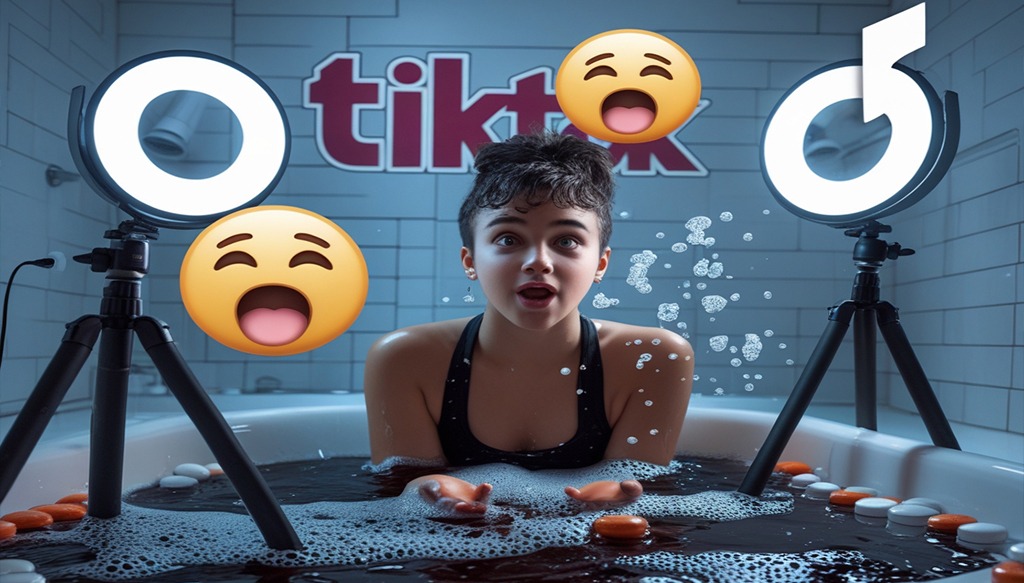
Summer ۲۰۲۵ has brought with it one of the internet’s strangest viral sensations yet: the so-called “Soda Bath Challenge.” Teenagers and influencers on TikTok are filling bathtubs with soda—particularly cola—and immersing themselves for views, followers, and shock value. While some may see it as a harmless stunt, health professionals are deeply concerned about the risks it poses.
The origin of the trend reportedly traces back to Japan, where a popular content creator uploaded a humorous video of himself bathing in a tub full of Coca-Cola. The video quickly went viral, hitting over ۵۰ million views in a single day, prompting international imitation.
From there, the trend spiraled into the mainstream. Influencers across Europe and the U.S. began attempting their own versions—some adding Mentos to produce fizzy explosions, others wearing costumes, or mixing multiple soda types for “flavor baths.” The more outrageous the setup, the more engagement the video received.
One video featuring a bathtub filled with ۲۰۰ liters of cola and a Mentos shower effect received over ۱۰ million likes within ۴۸ hours, encouraging a flood of copycat content.
Despite its comedic tone, the soda bath trend is not without consequences. Dermatologists and toxicologists have issued public statements warning users against submerging themselves in sugary carbonated liquids. According to Dr. Lila Matthews, a board-certified dermatologist, “Cola contains phosphoric acid, sugar, dyes, and caffeine — none of which belong on your skin for extended periods.”
The high acidity can disrupt the skin’s natural pH balance, weakening the skin barrier. The sugar creates a sticky residue that can trap bacteria and dirt, increasing the risk of infection. In warm conditions, this combination becomes a breeding ground for yeast and bacterial growth.
“We’ve already treated several teens for skin rashes and mild chemical burns related to the soda bath trend,” noted Dr. Hassan Qaderi, an emergency room physician in California.
Other health experts warn that users with sensitive skin or open cuts are especially vulnerable. Cola may seem harmless, but prolonged contact can lead to allergic reactions, dermatitis, or worse — if the soda enters the body through broken skin, it may even introduce infections.
Experts say the soda bath challenge is a classic example of novelty-seeking behavior, amplified by the algorithms of social media. On platforms like TikTok, bizarre or dangerous stunts often go viral due to their shock factor. The more absurd the video, the more likely it is to trend.
According to psychologist Dr. Miriam Lee, “This is a mixture of peer pressure, the desire for online fame, and the human brain’s reward system. Likes and views release dopamine, and young users start chasing that rush with increasingly risky behavior.”
Ironically, as more warnings circulate about the trend, its popularity has only grown. For many teens, danger adds allure.
Parents, teachers, and school administrators have expressed deep concern. Several school districts have issued emails warning families to monitor students’ social media activity. Meanwhile, pediatricians have begun seeing a surge in soda-related skin complaints.
In response, TikTok has begun tagging videos with soda baths under a “potentially harmful” disclaimer. Some videos have been removed entirely for violating community safety guidelines. However, critics argue the platform is moving too slowly.
“By the time TikTok flags a trend, it’s already reached millions,” says content safety researcher Anya Delgado. “Platforms need faster tools to detect and intervene.”
Many influencers argue their content is meant to be humorous, not instructional. But younger audiences may not understand the line between satire and endorsement. Some creators have begun including disclaimers in their videos, while others continue posting unapologetically.
This raises larger ethical questions about influencer responsibility. Should creators be held accountable if their content leads to harm? What role should platforms play in moderating health-related misinformation?
Social media doesn’t just reflect youth culture—it actively shapes it. With great influence comes great responsibility.
More than just a quirky summer fad, the soda bath challenge reveals the darker undercurrents of viral culture. In the race for online attention, health and safety often take a backseat to likes, follows, and monetization.
It also points to the need for digital literacy education. Teens should understand how content spreads, why absurd trends go viral, and how to think critically about what they watch and imitate.
Medical experts recommend the following tips to avoid the dangers of social media challenges:
Never attempt a trend without researching its health impact.
If you see a viral video involving chemicals or strange materials, assume it’s risky.
Encourage open conversations with teens about what they see online.
Report unsafe or misleading content to the platform moderators.
As with all internet trends, moderation and mindfulness are key. Not everything viral is worth trying—especially if it involves soaking in soda.
The Soda Bath Challenge is a stark example of how entertainment can collide with health concerns in the digital age. While some laugh it off, others suffer the consequences. As we move deeper into a world shaped by clicks and likes, staying informed and thinking critically becomes more important than ever.
Tags: soda bath trend, tiktok summer ۲۰۲۵, viral tiktok, soda bath challenge, strange tiktok trends, bathing in cola, youth social media, health risks tiktok, dermatology warnings, influencer culture, cola skin reaction, tiktok news, summer ۲۰۲۵ challenge, mentos and soda, dangerous trends online









Leave a Reply