

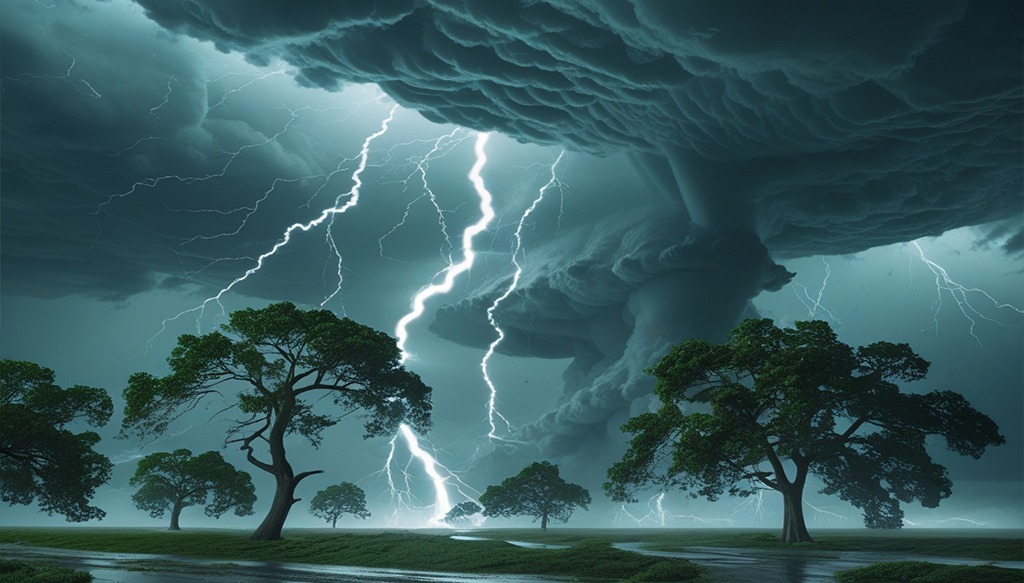
Severe thunderstorms can strike with little warning, bringing with them destructive winds, dangerous lightning, hail, and torrential rain. Knowing how to act before, during, and after a storm can save lives and minimize damage to property. Whether you’re at home, in your car, or caught outside, understanding the risks and preparing ahead is key to thunderstorm safety.
A thunderstorm is classified as severe when it produces
Winds of ۵۸ mph (۹۳ km/h) or stronger
Hail at least ۱ inch in diameter
Possibility of tornadoes
Such storms can lead to power outages, property destruction, and serious injuries if warnings are not heeded. Severe thunderstorms are most common in spring and summer but can happen any time of year.
Understanding the difference between a watch and a warning is essential:
Severe Thunderstorm Watch: Conditions are favorable for the development of severe storms. Be alert.
Severe Thunderstorm Warning: A severe storm is occurring or imminent. Take shelter immediately.
How to Prepare Before the Storm
Use weather apps or NOAA radios to receive alerts. Set your phone to receive emergency notifications. Knowing when a storm is approaching gives you valuable time to act.
Storm-Proof Your Property
Bring in or secure outdoor items such as patio furniture and grills.
Close and secure windows and doors.
Check your roof and gutters for potential vulnerabilities.
Build an Emergency Kit
Keep a storm kit ready that includes:
Flashlight with batteries
Water and non-perishable food
Battery-powered weather radio
Cell phone chargers or battery banks
During the Storm
Find Shelter
If you’re outside, go inside a sturdy building. Avoid open spaces, metal objects, and isolated trees. Do not shelter under picnic shelters or pavilions.
Electrical Safety
Unplug electronic devices to protect them from power surges.
Avoid using corded phones and wired electronics.
Stay away from plumbing—don’t shower or wash dishes.
Stay in your vehicle with windows closed if caught in a storm.
Pull over in a safe location away from trees and power lines.
Never drive through flooded roads.
After the Storm
Watch for Hazards
Stay clear of downed power lines.
Be cautious around fallen trees and debris.
Check for gas leaks or damaged utilities and report them.
Assist Others
Check on neighbors, especially the elderly or those with special needs. Offer help where possible.
Inspect Your Home
Document any damage with photos for insurance purposes. Contact emergency services if your home is unsafe.
Thunderstorms can happen at any time of day.
Lightning kills more people annually than tornadoes.
Flash floods from thunderstorms are the number one cause of storm-related deaths.
Hail can fall at speeds over ۱۰۰ mph.
Severe thunderstorms are more than just heavy rain and thunder—they’re dangerous weather events that require serious attention. Preparation and swift response to warnings can prevent injury and save lives. By staying informed and having a plan, you can stay safe even when the skies turn dark.









Leave a Reply